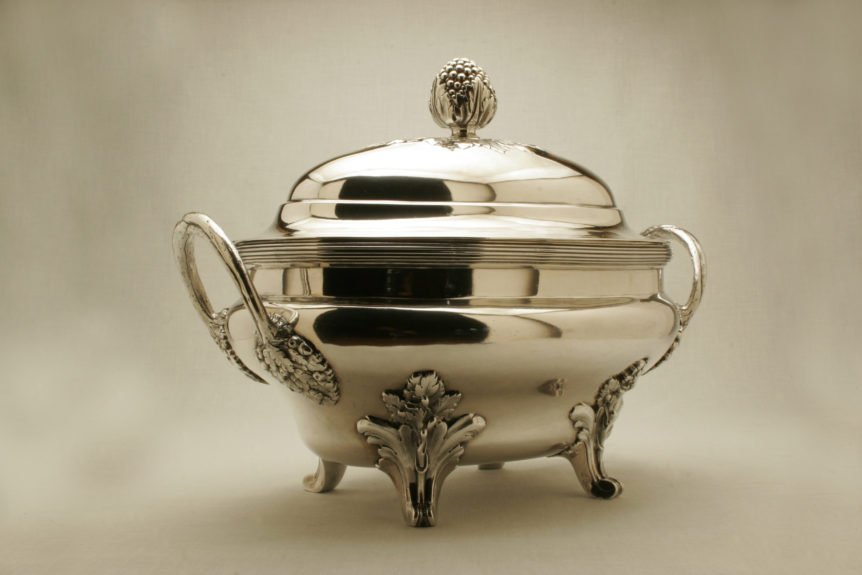
A few years ago, one of two silver soup tureens ordered by Thomas Gibbons in 1810 came on the market, after remaining for nearly two centuries in the possession of his descendants.

Below you'll see everything we could locate for your search of “Olde Hope”
A few years ago, one of two silver soup tureens ordered by Thomas Gibbons in 1810 came on the market, after remaining for nearly two centuries in the possession of his descendants.
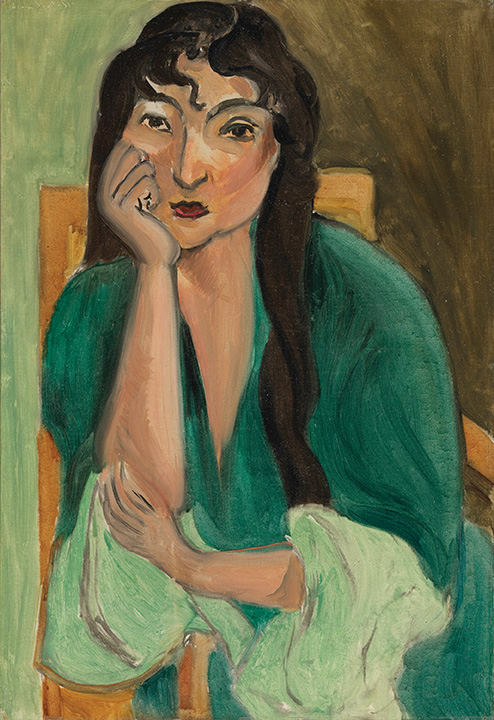
How Ima Hogg brought modern art to Texas.
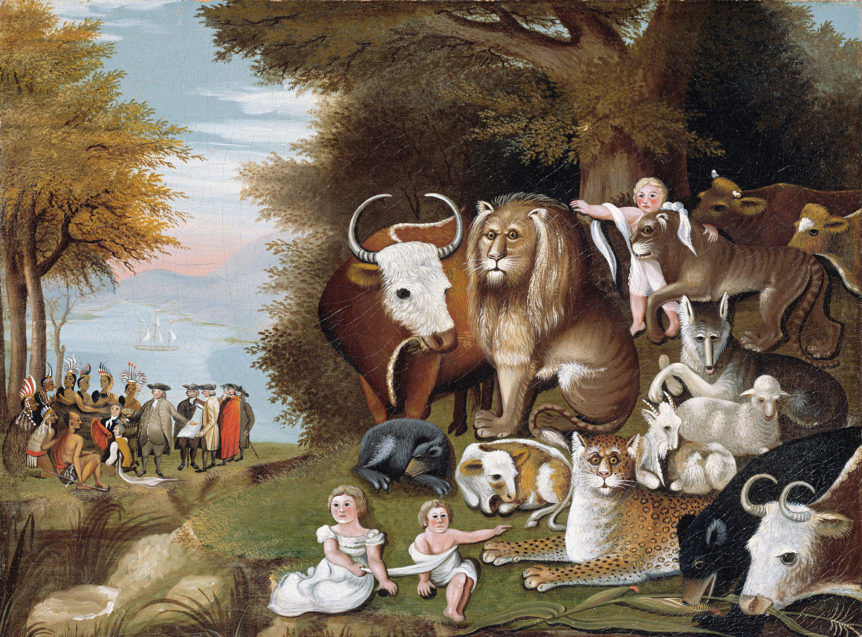
The exhibition American Folk Art: The Art of the Common Man in America, 1750–1900 was held at the Museum of Modern Art in New York City from November 30, 1932, through January 14, 1933. Presenting American folk art as part of a continuous artistic tradition reaching back to the eighteenth century, it was the most comprehensive, illuminating display of the subject held up to that time.
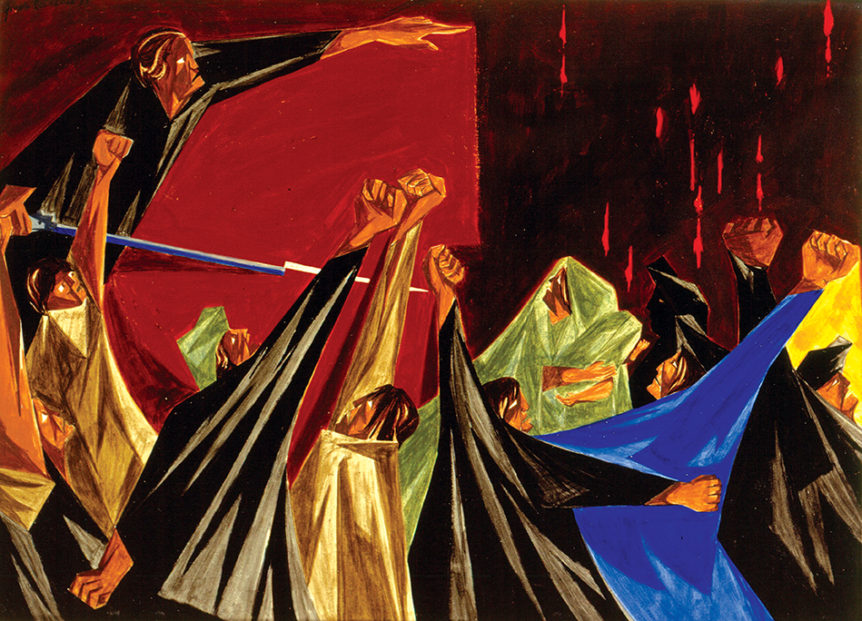
Scholars hope to reunite all thirty paintings in Jacob Lawrence’s Struggle series, his epic of early American history. But the whereabouts of several panels is unknown.
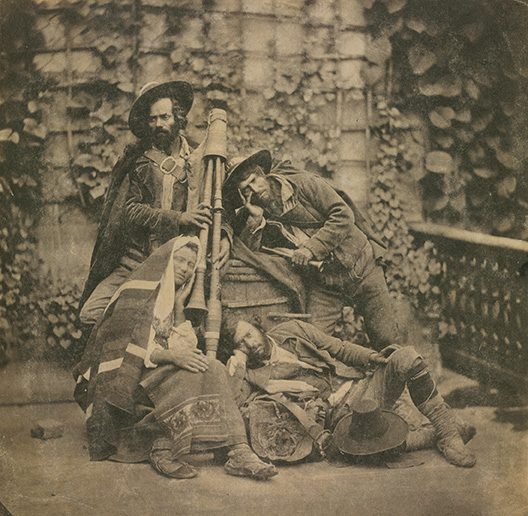
Every photographic portrait confers on its subject some degree of immortality. We take for granted the ability to know what a person looks like, since images of family, friends, and famous strangers dead and alive are at our fingertips through a Google Images or Facebook search. But until 1839 only the wealthy could have a likeness recorded, share it with others, and leave it behind for future generations.
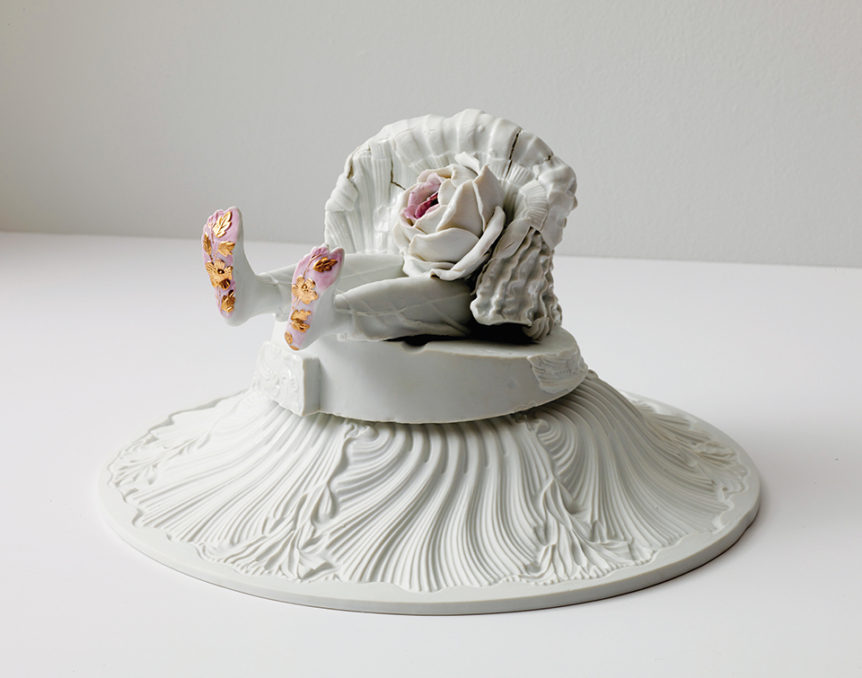
Vitreous, white, and often delicately translucent, porcelain was invented in China as early as the seventh century, but Western attempts to reproduce the Chinese miracle failed until the dawn of the eighteenth century, when the Saxon ruler Augustus the Strong pressed into his service the young Berlin alchemist Johann Friedrich Böttger and commanded him to enrich the Saxon coffers by …
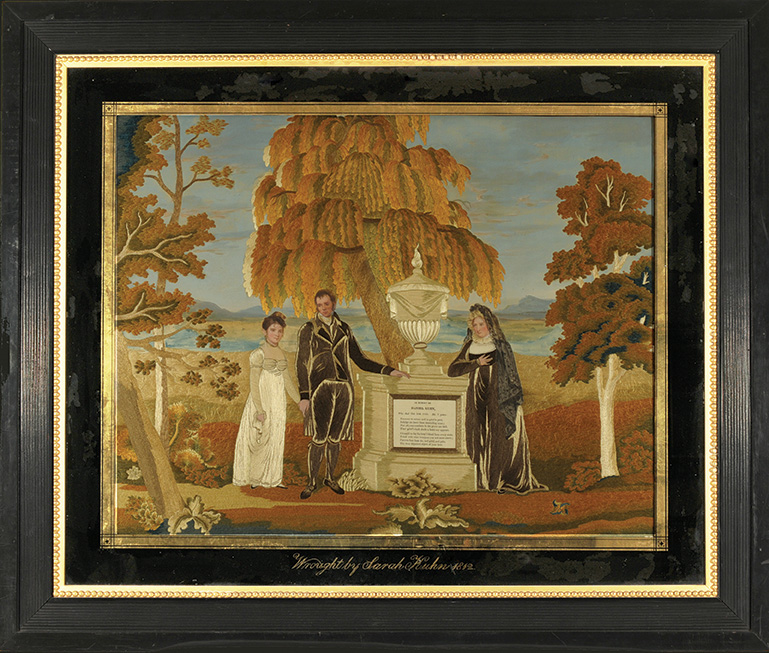
“In the midst of life we are in death” These familiar words, which marched across sermons and samplers alike in the early decades of the American republic, surely resonated with sixteen-year-old Charlotte Sheldon in the summer of 1796. Sheldon was studying at Sarah Pierce’s Litchfield Female Academy when she heard the news: Polly Buel, another student, had died. Sheldon put down her studies …
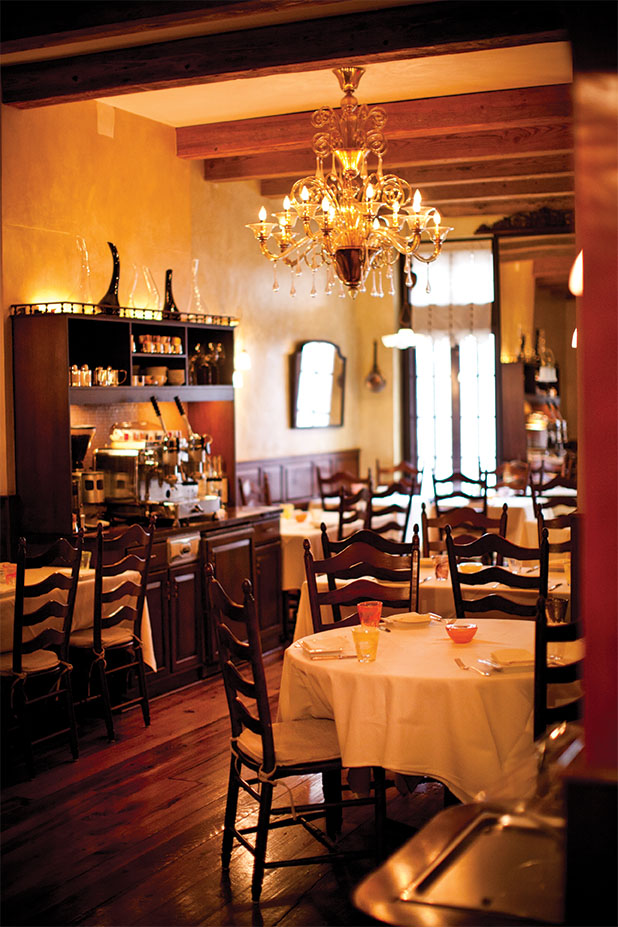
“I once spent a year in Philadelphia. I think it was on a Sunday,” W. C. Fields said sometime in the early 1940s. Fields, born in Philadelphia and tied with fellow native Man Ray for recognition as Philadelphia’s merriest Dada prankster, was right about the city back then, but this is now. Philadelphia is booming, and so are its restaurants. …
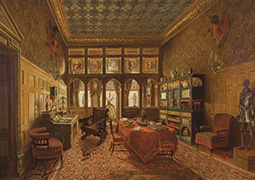
by Gregory Cerio The Private Office of George William Childs at the Philadelphia Public Ledger, Philadelphia by George Bacon Wood Jr. (1832–1910), 1877. Oil on canvas, 27 by 38 inches. Private collection; all photographs courtesy of the Schwarz Gallery, Philadelphia. Specializing in American and European paintings of the eighteenth through twentieth centuries and best known for its expertise in …
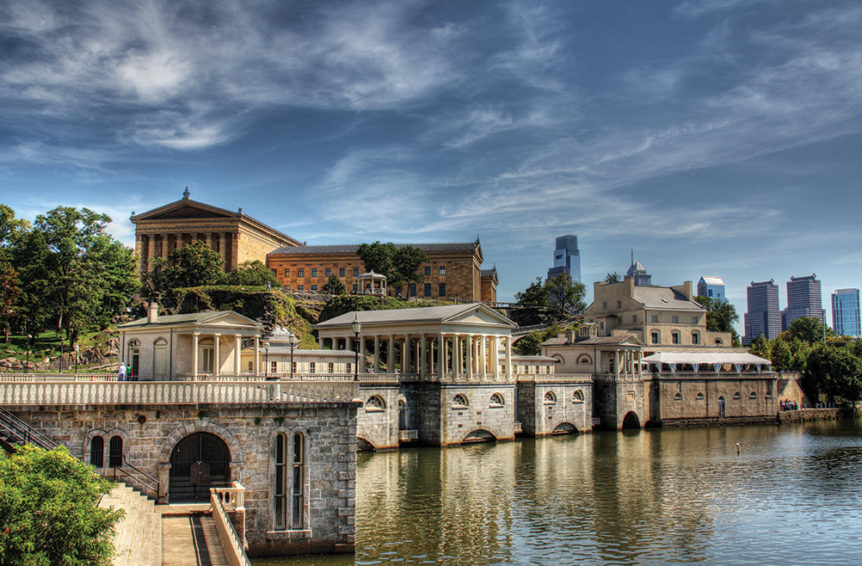
The story goes that the Dutch, sailing up the Delaware River, missed the marshy entrance to its largest tributary. Upon discovering their mistake, the Europeans dubbed the waterway the Schuyl Kill, or “Hidden River.” The Dutch were soon squeezed out of Pennsylvania by the Swedes and then the English, but the name somehow stuck, showing up as the “Scool Kill …