David Remnick, in a post-election piece in the New Yorker, went so far as to describe Trump as “vulgarity unbounded.” Are we about to have a four-year crash course in this topic? Maybe it’s time to take a closer look.

Below you'll see everything we could locate for your search of “The Magazine ANTIQUES”
David Remnick, in a post-election piece in the New Yorker, went so far as to describe Trump as “vulgarity unbounded.” Are we about to have a four-year crash course in this topic? Maybe it’s time to take a closer look.

Not long ago I came across a graphic novel by the talented artist and illustrator Leanne Shapton entitled Important Artifacts and Personal Property from the Collection of Lenore Doolan and Harold Morris, Including Books, Street Fashion, and Jewelry. The book tells a love story in the form of an auction catalogue.
For advertising inquiriesPlease view our media kit and contact the sales department:Don Sparacin, Publisher646.221.6063don@themagazineantiques.com
Something Old, Something New, & Plenty of Blue by Christine Hildebrand The Magazine ANTIQUES attends Tanner Fletcher’s Vintage-Inspired Spring/Summer 2027 Bridal Runway Show. Refugees in the Parlor by Lisa Minardi How one household in the Philadelphia countryside reveals the domestic upheaval, resilience, and material culture of war-torn Revolutionary America. 1826: Fashioning the American Myth by Jonathan Prown The Jubilee is justifiably …
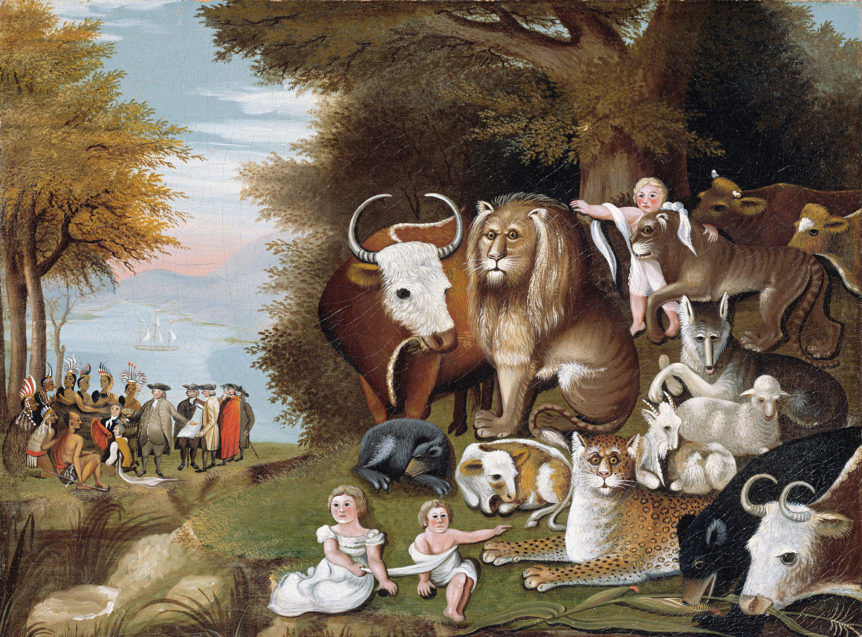
The exhibition American Folk Art: The Art of the Common Man in America, 1750–1900 was held at the Museum of Modern Art in New York City from November 30, 1932, through January 14, 1933. Presenting American folk art as part of a continuous artistic tradition reaching back to the eighteenth century, it was the most comprehensive, illuminating display of the subject held up to that time.
Despite our best efforts to be accurate, on the rare occasion something slips through the cracks.
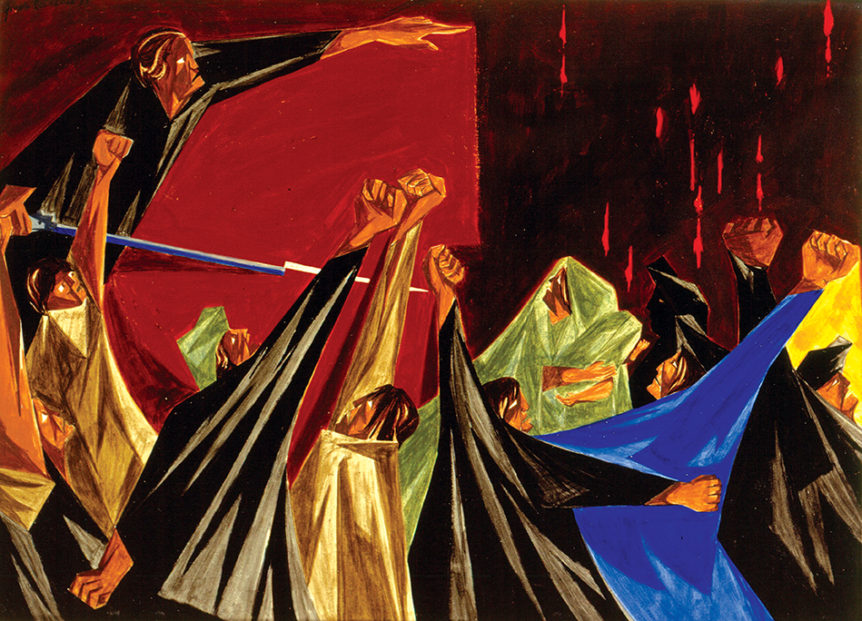
Scholars hope to reunite all thirty paintings in Jacob Lawrence’s Struggle series, his epic of early American history. But the whereabouts of several panels is unknown.
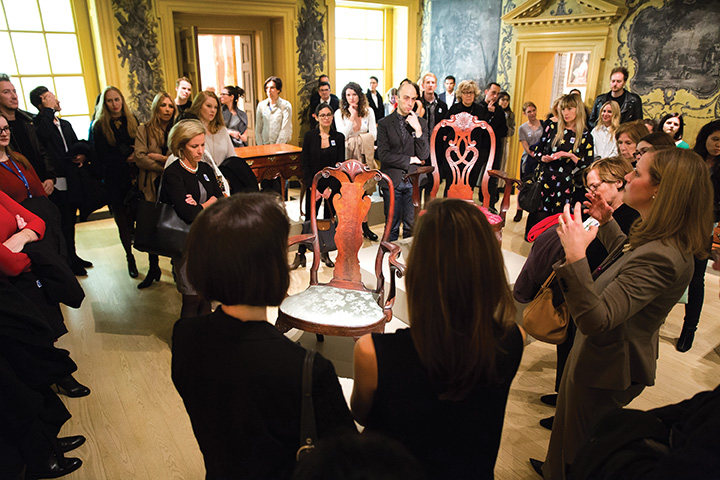
Among aficionados of early American decorative arts, the name Wunsch is legendary. The family’s art and antiques collection—started by the canny and ever-curious engineer E. Martin Wunsch (1924–2013), and administered under the aegis of the Wunsch Americana Foundation—is one of the most important in the field.
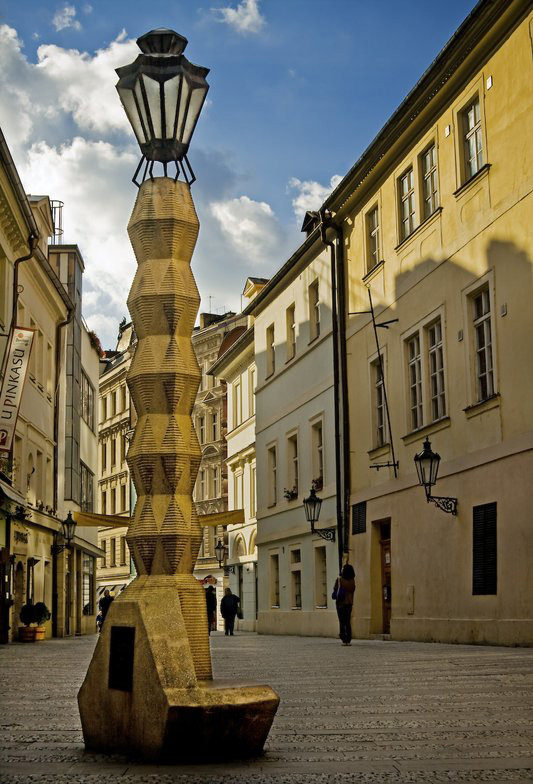
The zigzag angles, the break in the line of a chair leg, or the dark stained wood immediately attract your attention to Czech cubist furniture. Each wooden element is beveled into the planes of a prism, resulting in the unique designs produced during a few brief years before World War I in what is now the Czech Republic.
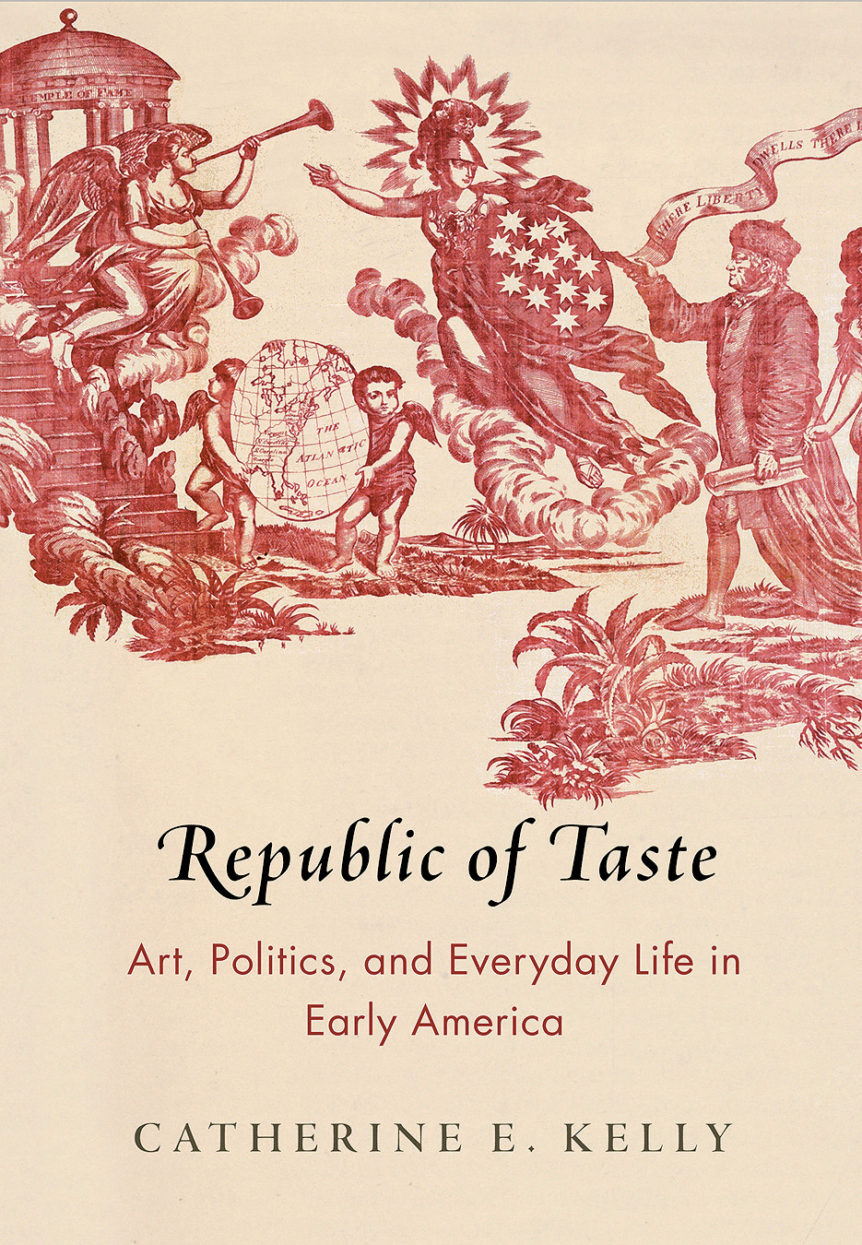
Artists and writers in eighteenth-century America, eager to craft a democratic culture distinct from that of Europe, but nonetheless notable for its refinement, elevated the idea of “taste” as an index of character and national virtue. This was not a populist project, but it reached into everyday life through the efforts of the people Catherine Kelly calls “aesthetic entrepreneurs,” who painted portraits, disseminated prints, opened museums, and produced banners and memorabilia to draw the multitudes into a patriotic festival of right-minded taste.