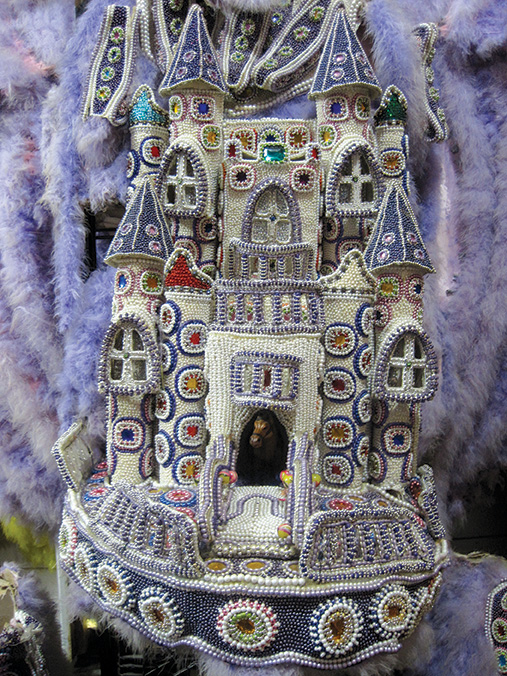
Three New Orleans museums and two community cultural institutions draw visitors from afar by keeping the focus on indigenous artistry. Detail of the feathers and beadwork on one of the many ornate Mardi Gras Indian suits on display at the Backstreet Cultural Museum in the Tremé neighborhood of New Orleans. Photograph courtesy of Meghan Henshaw and the Backstreet Cultural Museum. Visit …
Editor’s Letter, May/June 2016
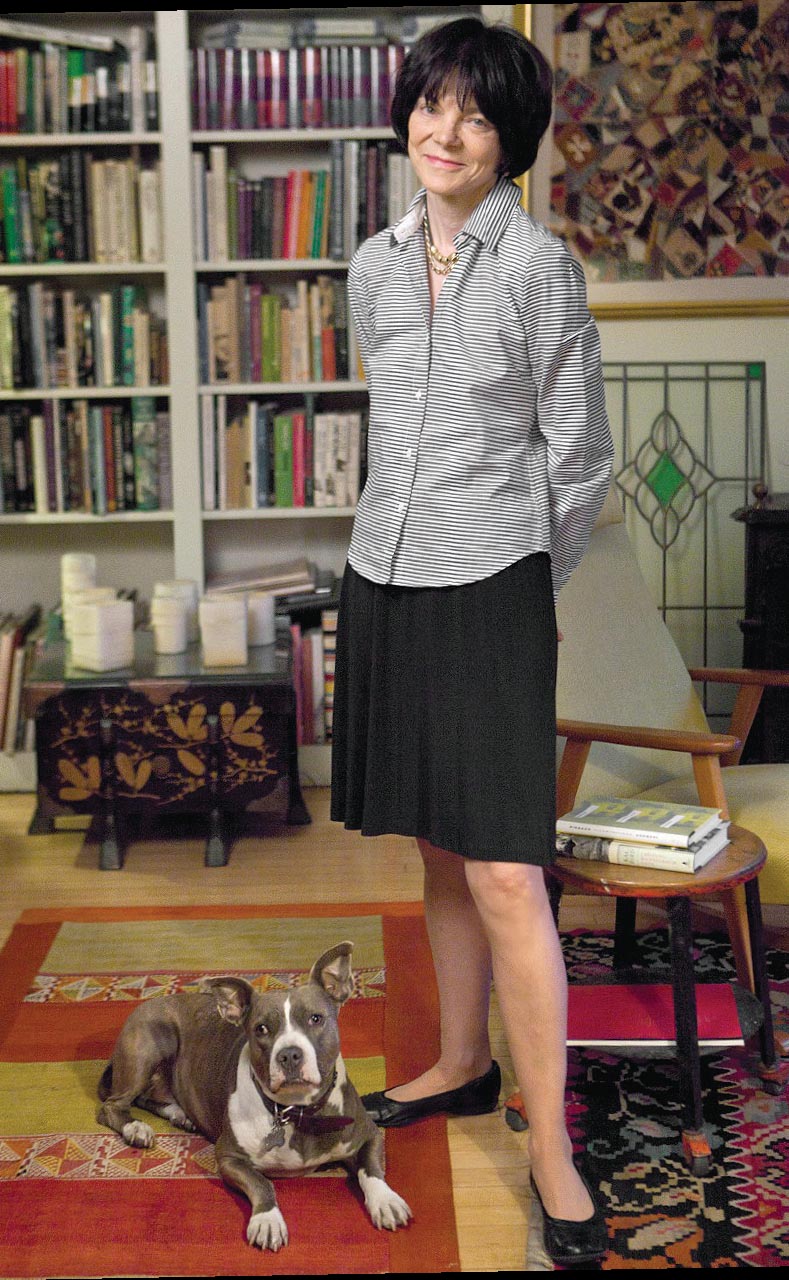
Glenn Adamson joins us this month as editor at large with an interesting mandate you can read about below. Glenn was most recently director of the Museum of Arts and Design. Before that he was head of research at the V&A, and curator of the Chipstone Foundation. The Magazine ANTIQUES: In your column you will think through difficult matters that …
Critical Thinking: Ivory
On April 30 the government of Kenya staged the largest ivory burn in history.
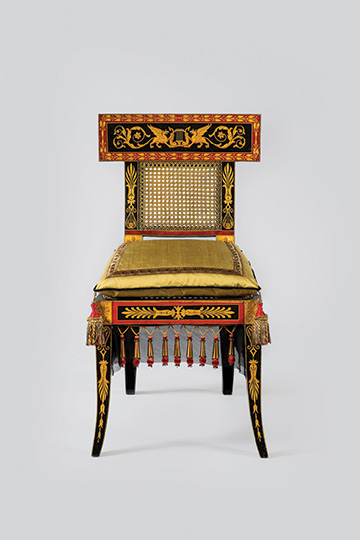
Superfluity & Excess: Quaker Philadelphia falls for classical splendor
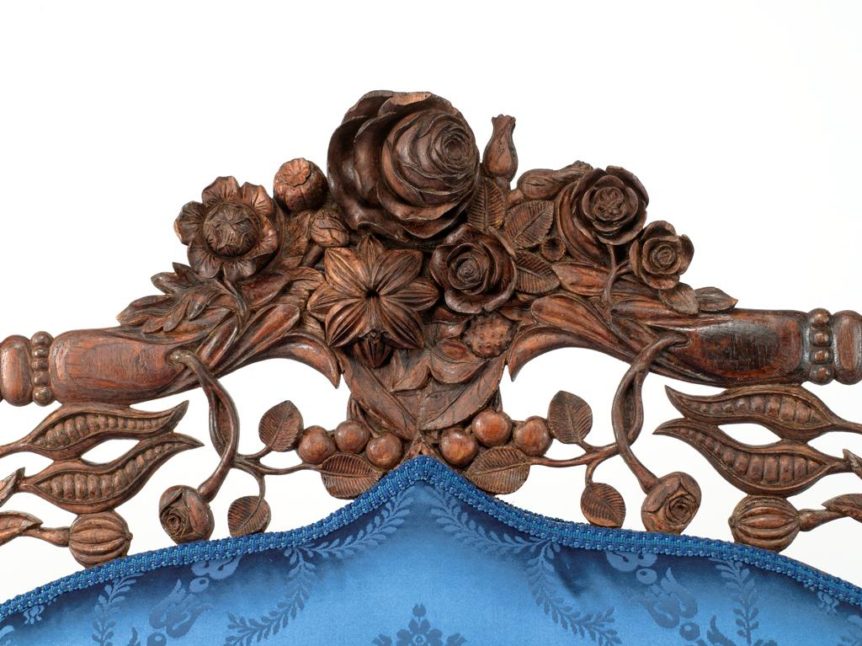
The fruits of extensive research on Benjamin Henry Latrobe’s 1808 house and furniture for William and Mary Waln begin with their impact on the aesthetic of the city itself
New light: More squares from Mrs. Miner’s carpet
Discoveries come in such unexpected ways. You can search for years for a missing piece of your puzzle without success. And then, sometimes, it falls in your lap! That is what happened last year when my friend Tom Jewett, of Jewett-Berdan Antiques, posted pictures of his Christmas decorations on Facebook. Tom and Butch Berdan go all out for Christmas at …
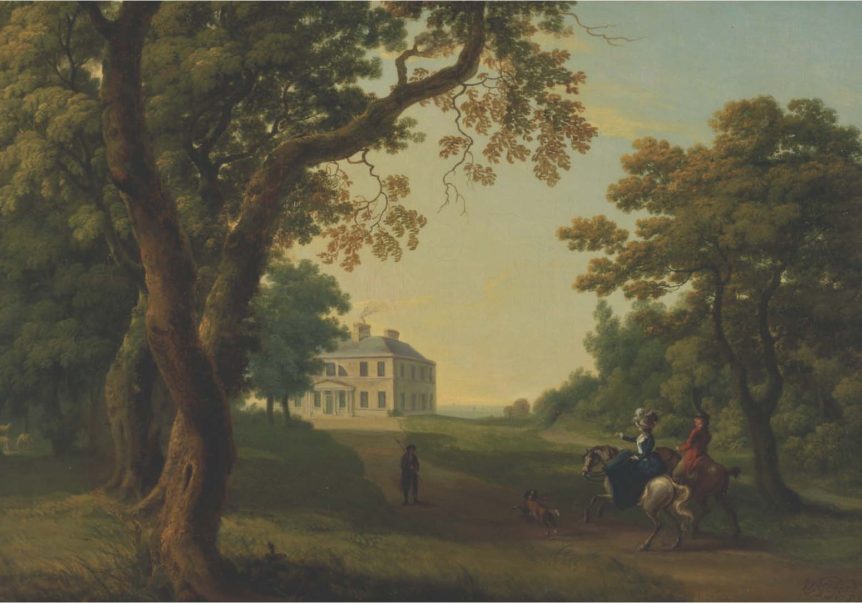
War, politics, and the diaspora of Irish art and design
When The Magazine ANTIQUES started publication in January 1922, it coincided with the end of the War of Independence between Ireland and Great Britain and the beginning of a self-inflicted and even more brutal Civil War among opposing factions of the Irish Republican Army that would last until 1923.1 Although ANTIQUES ’s mandate was to whet its readership’s appetite for the …
The jeweled watches of Henry Blank and Company of Newark
The origins of the New Jersey jeweler
A tale of two sofas
They were big, brawny, and bold. The near-identical sofas in the Virginia Museum of Fine Arts (VMFA)-once celebrated as rare examples of gilded furniture from the shop of John Henry Belter-were so visually pushy that the former curator of American arts, David Park Curry, dubbed them the “Tarleton Twins.” Today, following several years of research and an extensive conservation campaign, …
Parisian jewelry and American patrons, real and fictional
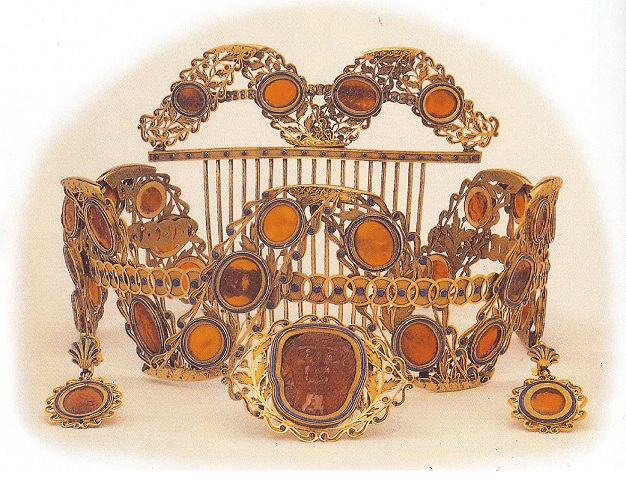
By SHIRLEY BURY; from The Magazine ANTIQUES, April 1992. The formidable skill of Parisian jewelers in interpreting the work of innovative designers was the prime cause of their international popularity. Although craftsmen elsewhere practiced the late eighteenth-century technique of open-backed, or à jour, setting, which allowed light to refract and reflect through the stones, greatly enhancing their brilliance, the contrast …
The jewelry of René Lalique
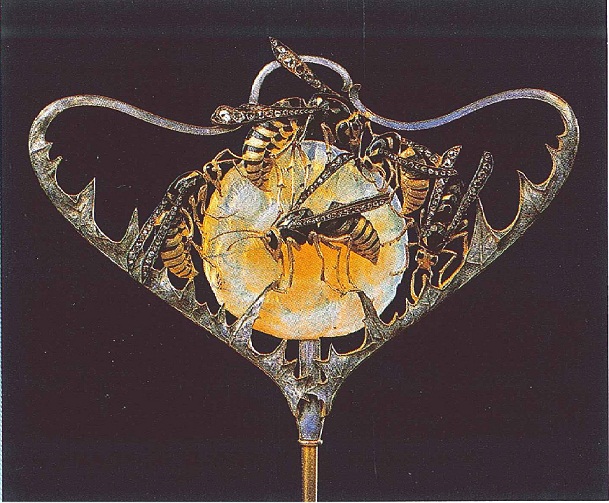
By GEOFFREY C. MUNN; from The Magazine ANTIQUES, June 1987. Even if the word genius was used as sparingly as it should be, the late nineteenth- and early twentieth century jeweler René Lalique would always be so described. Rather than a craftsman with a leaning toward the artistic, he was an accomplished artist who chose to express himself primarily in …