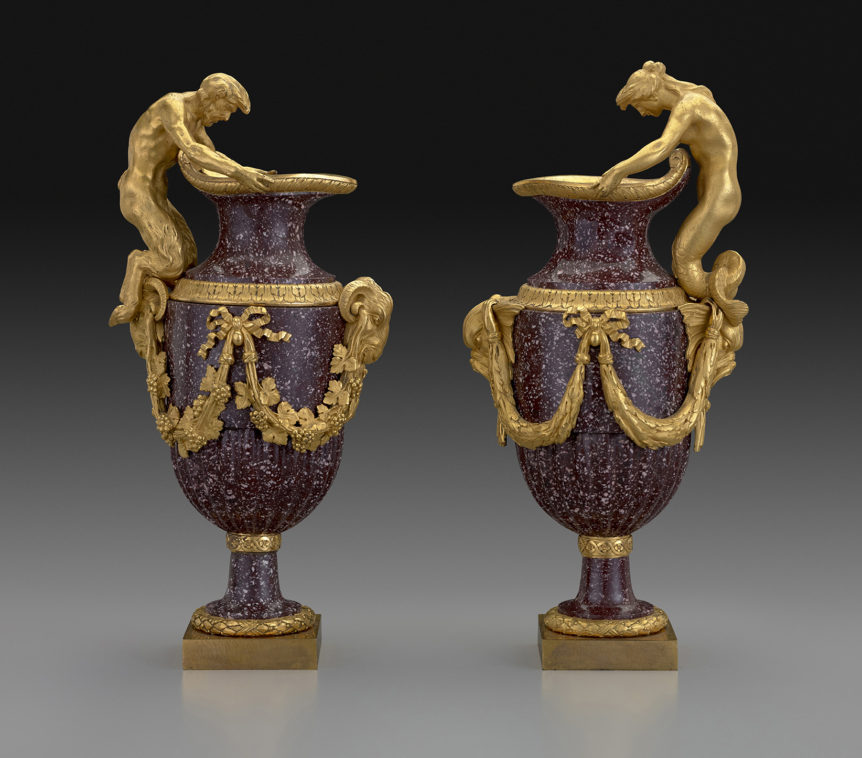
This month the Frick opens Pierre Gouthière: Virtuoso Gilder at the French Court, the first show devoted to the work in gilded metal—traditionally called bronze d’oré in French—by an artist whose achievements placed him among the finest French masters of the eighteenth century.
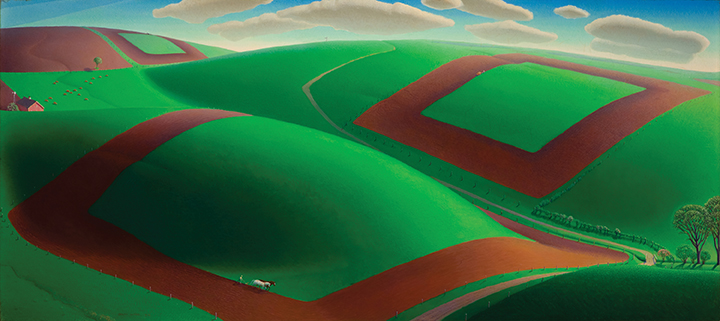
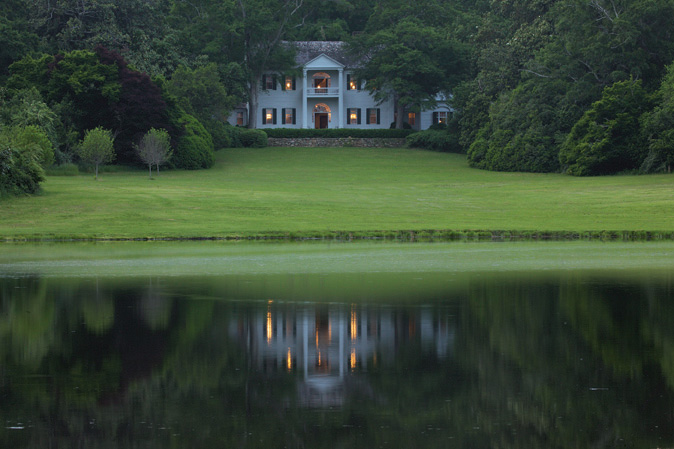
Bumper crop: Art and the farm at Reynolda House
Though the United States has been predominantly a nation of city dwellers since the 1920s, the farm still figures large in the American consciousness.
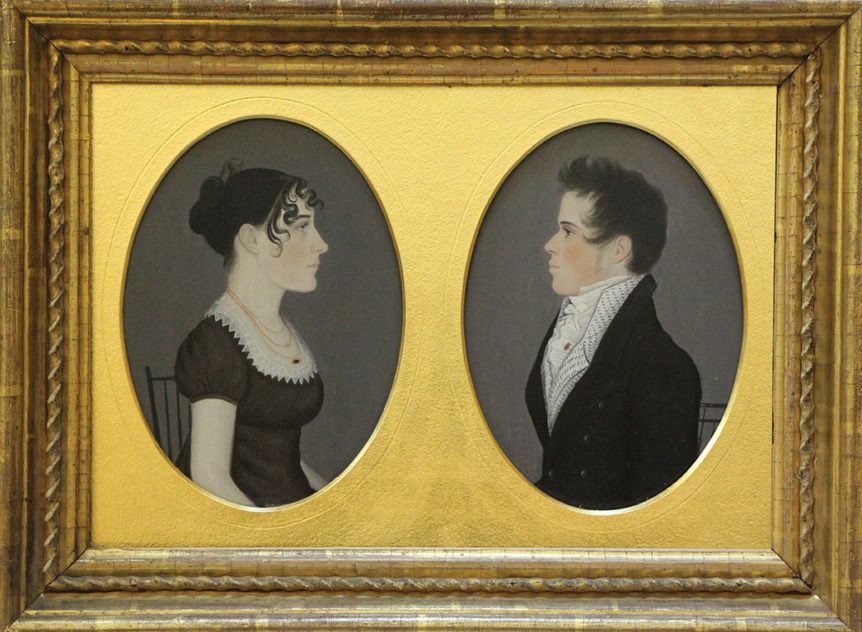
Mr. Boyd and Mr. Miles: A New York State portrait artist deciphered
Early nineteenth-century American portraiture includes a number of small profile likenesses in oil, pastel, and watercolor by artists such as C. B. J. F. de St. Mémin, James Sharples, Gerrit Schipper, and Jacob Eichholtz. All follow the European fashion for profiles, namely emulating those on Greek vases and Roman coinage, and are thus fitting for the neoclassical motifs and styles …
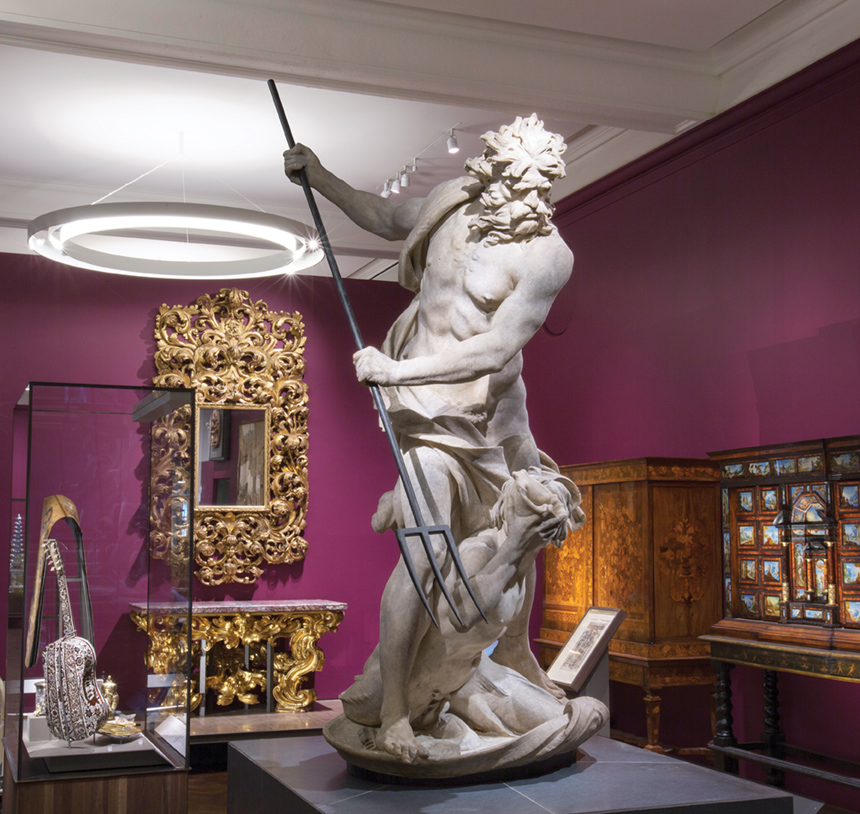
The Victoria and Albert’s new look at “Europe 1600–1815”
By Joan DeJean Neptune and Triton by Gian Lorenzo Bernini, c. 1622– 1623, as installed in the newly reopened Europe 1600–1815 galleries at the V&A. Except as noted, all images © Victoria and Albert Museum, London. In December 2015 the Victoria and Albert Museum’s European galleries were opened to the public for the first time in nearly …
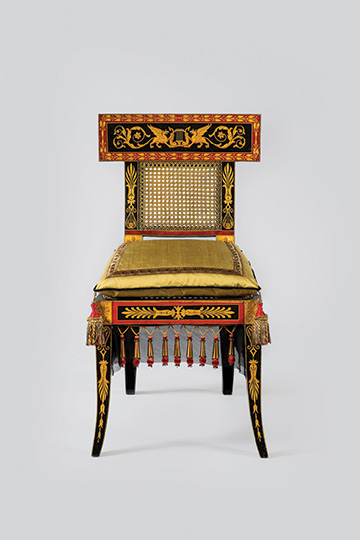
Superfluity & Excess: Quaker Philadelphia falls for classical splendor
The fruits of extensive research on Benjamin Henry Latrobe’s 1808 house and furniture for William and Mary Waln begin with their impact on the aesthetic of the city itself
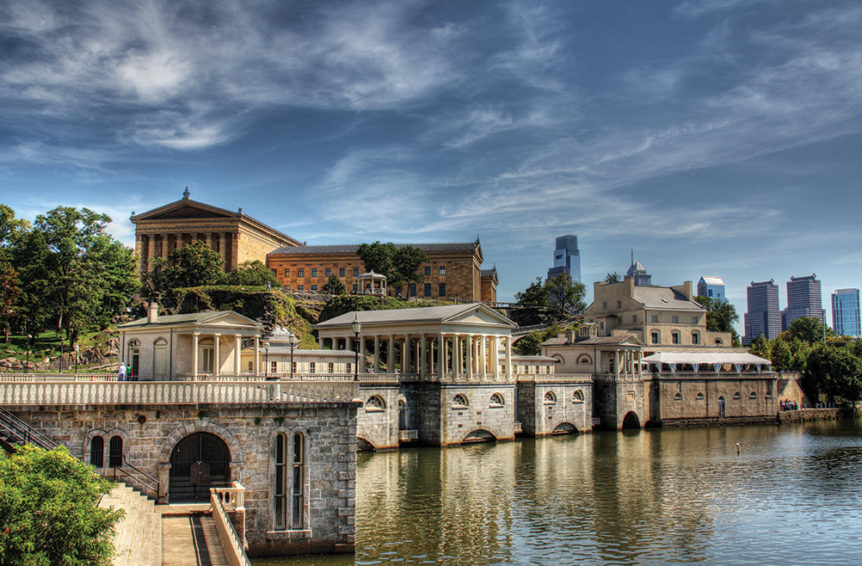
Sites along the Schuylkill
The story goes that the Dutch, sailing up the Delaware River, missed the marshy entrance to its largest tributary. Upon discovering their mistake, the Europeans dubbed the waterway the Schuyl Kill, or “Hidden River.” The Dutch were soon squeezed out of Pennsylvania by the Swedes and then the English, but the name somehow stuck, showing up as the “Scool Kill …
Rockwell Kent and Edward Hopper: Looking out, Looking Within
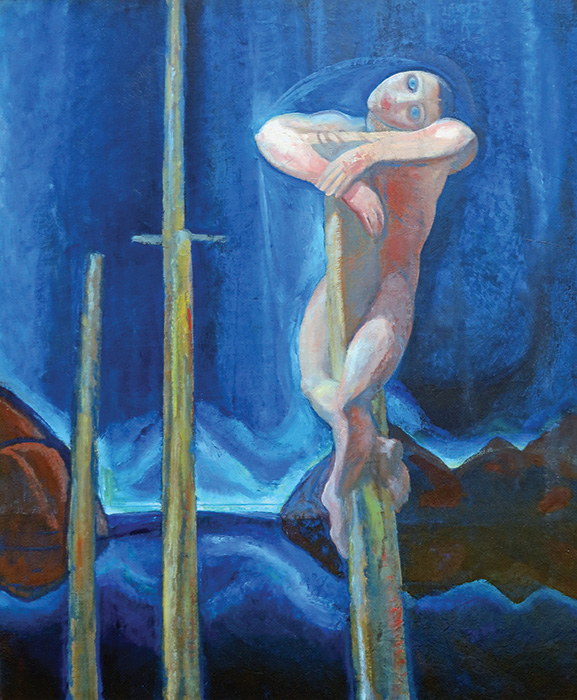
Consider Rockwell Kent’s paintings of land and sea as modern American mindscapes—poetic distillations of remote places that probe the mysteries of life. Kent hoped viewers would lose themselves in contemplation before his haunting visions.1 “Essentials only ought to go into painting,” he insisted. “I want the elemental, infinite thing; I want to paint the rhythm of eternity.”2 He perceived the …
A Rich and Beautiful Sadness
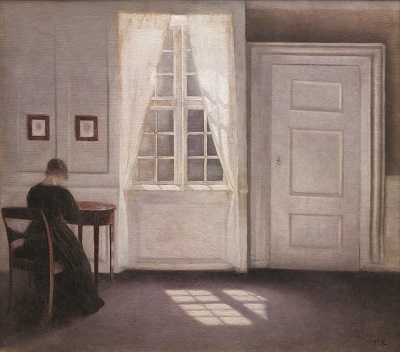
Silence, stillness, and darkness in the paintings of the Danish artist Vilhelm Hammershøi In one of his most famous works, the esteemed art historian Sir Nikolaus Pevsner sought to define “The Englishness of English Art.” If anyone were to under take a comparable inquiry into the Danishness of Danish art, the painter Vilhelm Hammershøi could well stand as the palmary …
Disturbers of the Peace
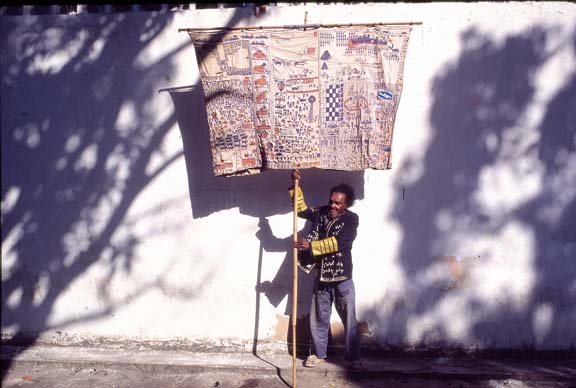
Arthur Bispo do Rosário at the Colônia Juliano Moreira, photograph by Walter Firmo, 1985. Private collection; © Walter Firmo, image courtesy Livre Galeria. One sign of an important exhibition may be its ability to move us into unfamiliar territory. By that measure, as by others, the recent show at the American Folk Art Museum, When the Curtain Never Comes Down, …
A charmed life
English inspiration, American creativity, and a bit of historical luck are joined in the author’s house and gardens Several years ago English friends came for lunch at my house, now called the Gordon-Banks house, in Newnan, Georgia, some forty miles southwest of Atlanta. They walked down a wide hallway onto a porch that overlooks a terrace and what the English …