Life Studies: Edward Hopper’s drawings

Editorial StaffArt

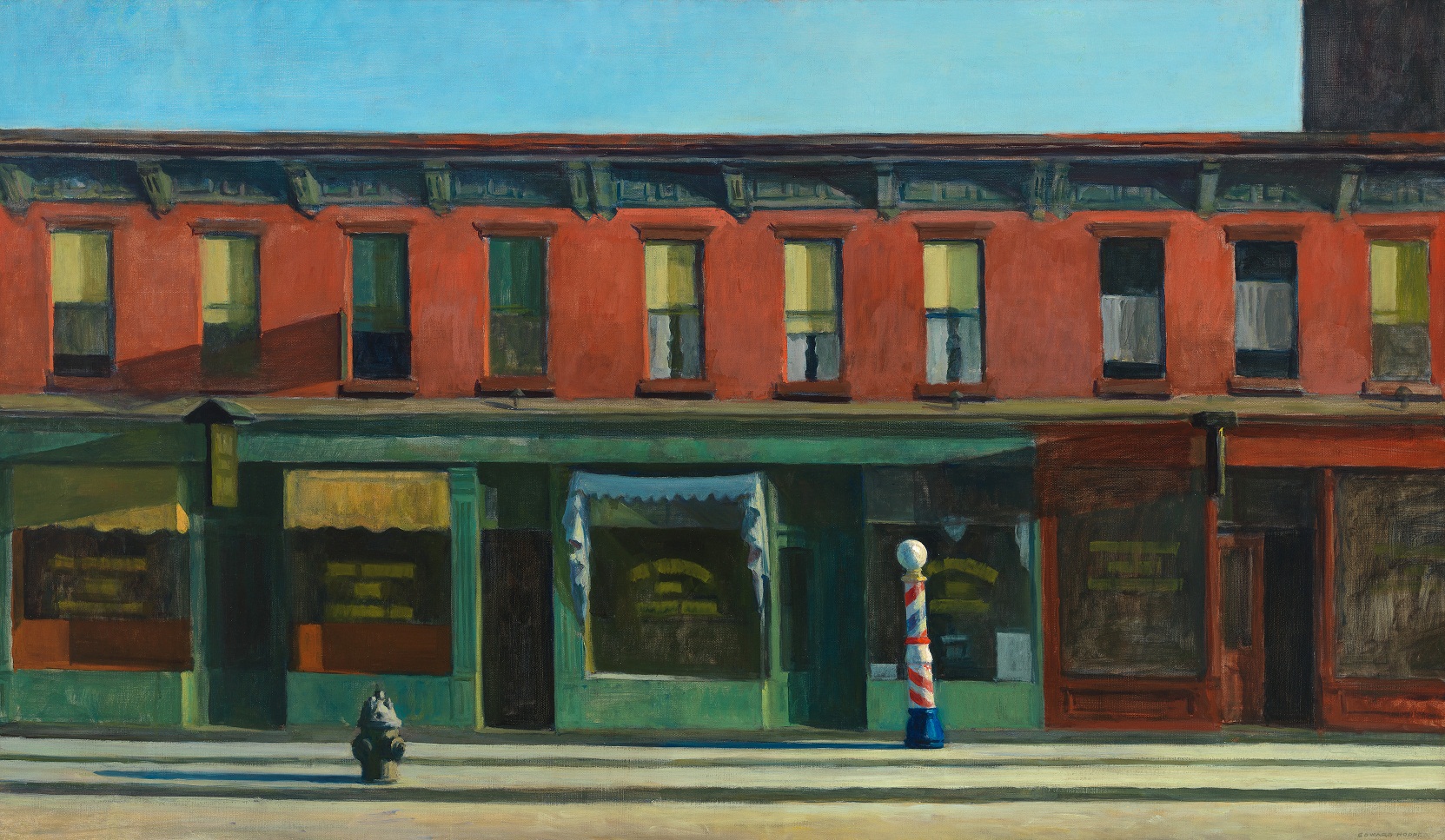
from The Magazine ANTIQUES, September/October 2013. The hope of the artist is to resist interpre­tation. Emerson said that “to be great is to be misunderstood” and, pressed to explain his troubles, Hamlet cried to his inter­locutors, “You would pluck out the heart of my mystery.” Among contemporary artists, Jasper Johns has made a creed of reticence, and Edward Hopper was …
For the love of architecture

Editorial StaffOpinion

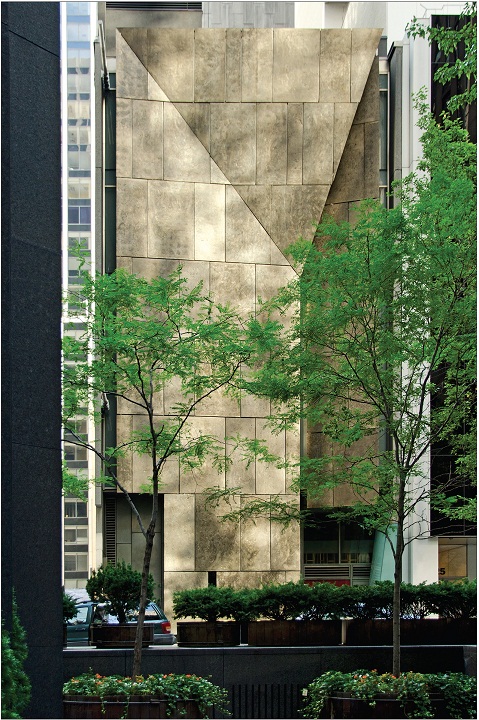
Call it cultural vandalism: The case against the Museum of Modern Art’s plan to raze the former building of the American Folk Art Museum designed by Tod Williams and Billie Tsien and completed in 2001. “Tod Williams and Billie Tsien’s new American Folk Art Museum…is not only New York’s greatest museum since Frank Lloyd Wright’s Guggenheim was completed in 1959, …

Saving the Ark: Chicago’s grand synagogue Agudas Achim

Editorial StaffMagazine

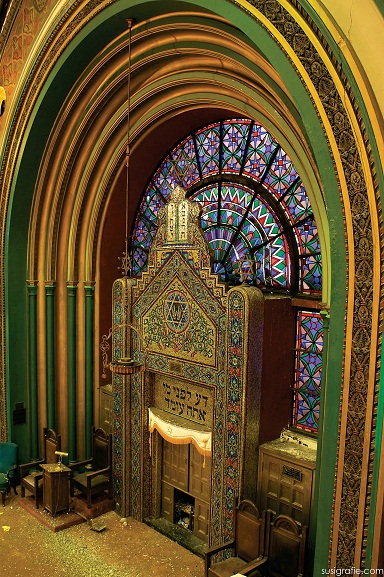
Chicago’s Uptown neighborhood is tucked between the high-end shops of Michigan Avenue and the outskirts of suburban Evanston. In the early twentieth century large numbers of Austro-Hungarian Jewish immigrants settled there, until new roads and growing incomes pulled them away from the city in the years after World War II. They left behind the apartments, stores, and synagogues their parents …

Clare Leighton’s

Editorial StaffArt

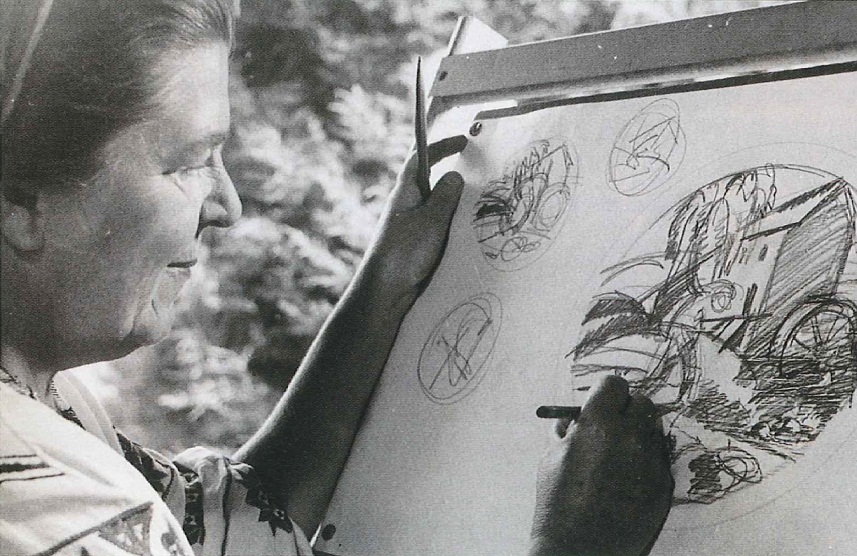
from The Magazine ANTIQUES, January/February 2011 | In 1948 Josiah Wedgwood and Sons commissioned printmaker and author Clare Leighton to make wood engravings for a set of twelve plates depicting New England industries. Leighton was in many ways a perfect choice with strong appeal to audiences in both England and the United States. She had established her reputation in Britain …

Monticello: Original colors and a broader historical context

Editorial StaffMagazine

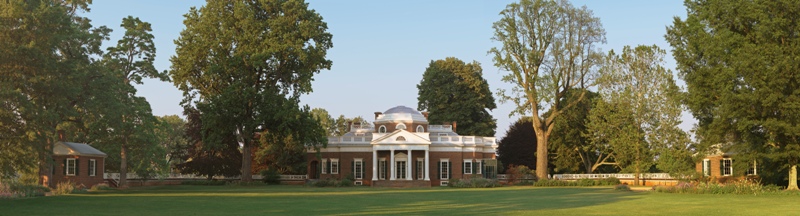
  We picture Monticello when we think of Thomas Jefferson. What does it mean to us today, and how has its meaning shifted over time? As Jefferson-statesman, farmer, scientist, bibliophile, politician, and architect-helped to forge a new country based on new ideals, his plantation in Virginia’s gentle piedmont became his architectural crucible. The Palladio-inspired Monticello has long occupied a monumental …

Parisian jewelry and American patrons, real and fictional

Editorial StaffArt

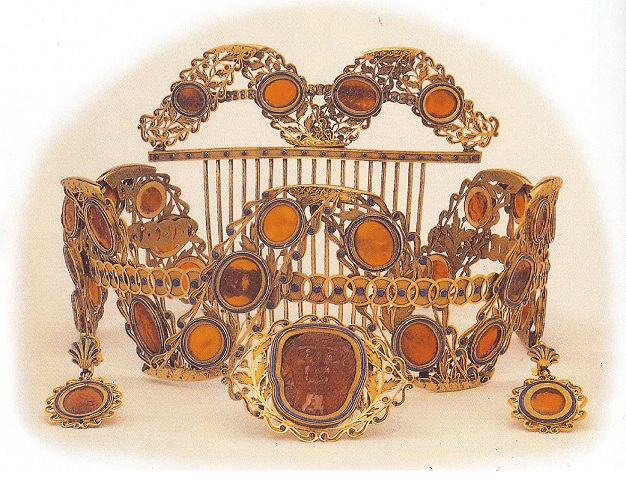
By SHIRLEY BURY; from The Magazine ANTIQUES, April 1992. The formidable skill of Parisian jewelers in interpreting the work of innovative designers was the prime cause of their international popularity. Although craftsmen elsewhere practiced the late eighteenth-century technique of open-backed, or à jour, setting, which allowed light to refract and reflect through the stones, greatly enhancing their brilliance, the contrast …

The jewelry of René Lalique

Editorial StaffArt

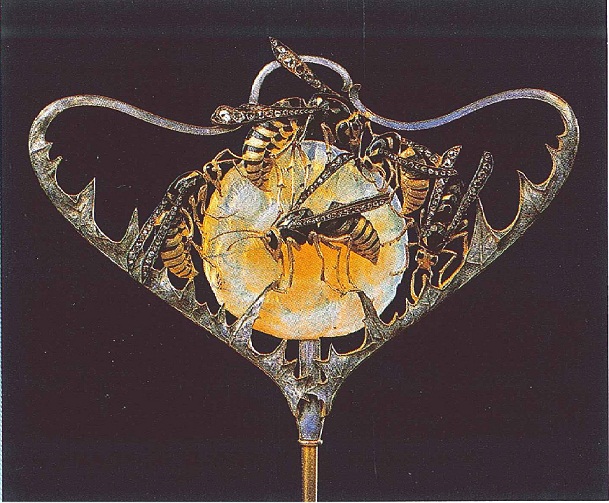
By GEOFFREY C. MUNN; from The Magazine ANTIQUES, June 1987. Even if the word genius was used as sparingly as it should be, the late nineteenth- and early twentieth century jeweler René Lalique would always be so described. Rather than a craftsman with a leaning toward the artistic, he was an accomplished artist who chose to express himself primarily in …

Michael K. Brown (1953-2013)

Editorial StaffMagazine, Opinion

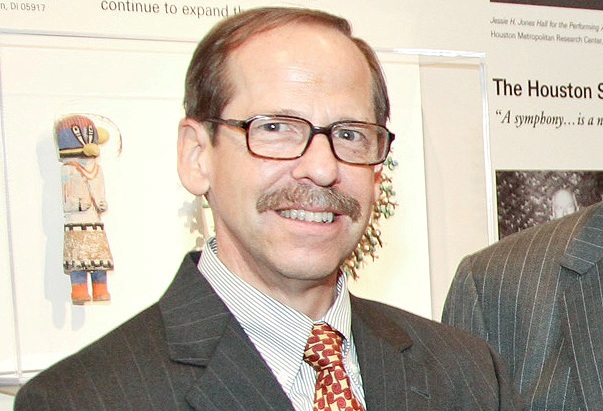
We at ANTIQUES mourn the death of Michael K. Brown, a great friend of the magazine and a cherished member of the American decorative arts family. Our November-December issue will include a tribute to him as a man of enormous kindness, scholarship, humor, and loyalty.       Michael K. Brown (1953-2013), longtime curator of the Bayou Bend Collection and …

Editor’s Letter, September/October 2013

Editorial StaffOpinion

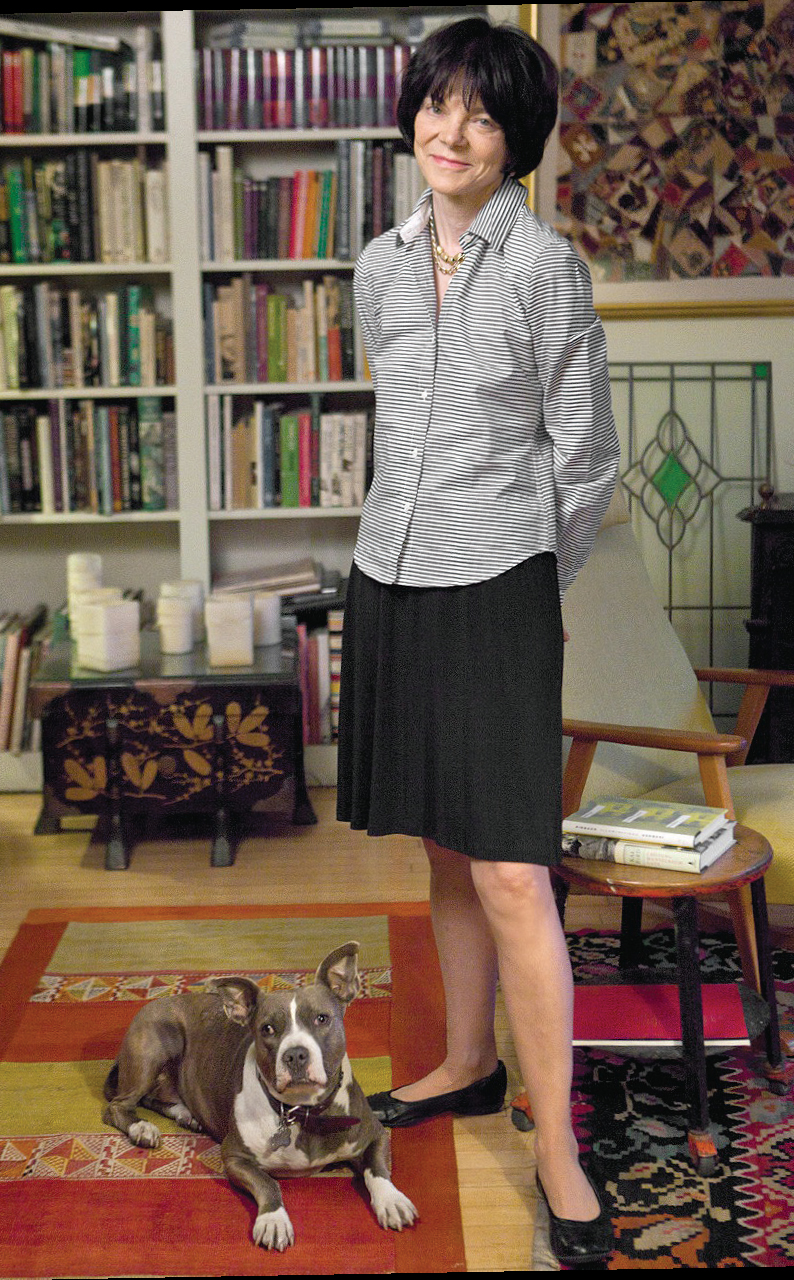
Like most editors I am interested in everything, but that doesn’t mean I don’t have opinions. I have, in fact, far too many of them, so I like it when some of my prejudices get rearranged, as they were early last spring when Eleanor Gustafson and I visited the Philadelphia home of John Whitenight and Frederick LaValley featured here. Ten …