John Ruskin and the American Pre-Raphaelites
Below you'll see everything we could locate for your search of “The Magazine ANTIQUES”
John Ruskin and the American Pre-Raphaelites
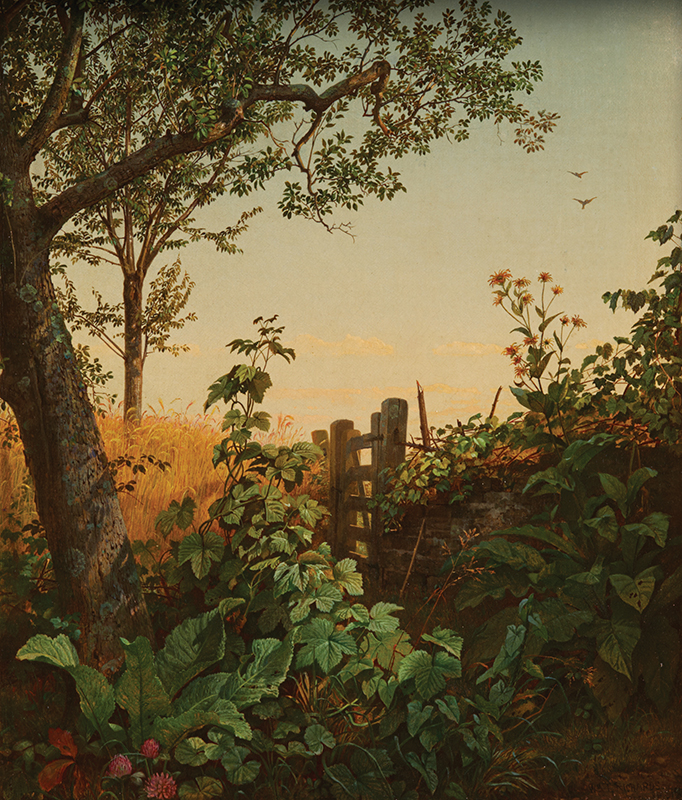
There are some art exhibitions that transcend themselves. That is to say, the fact that the show is taking place is of greater significance than the art on view.
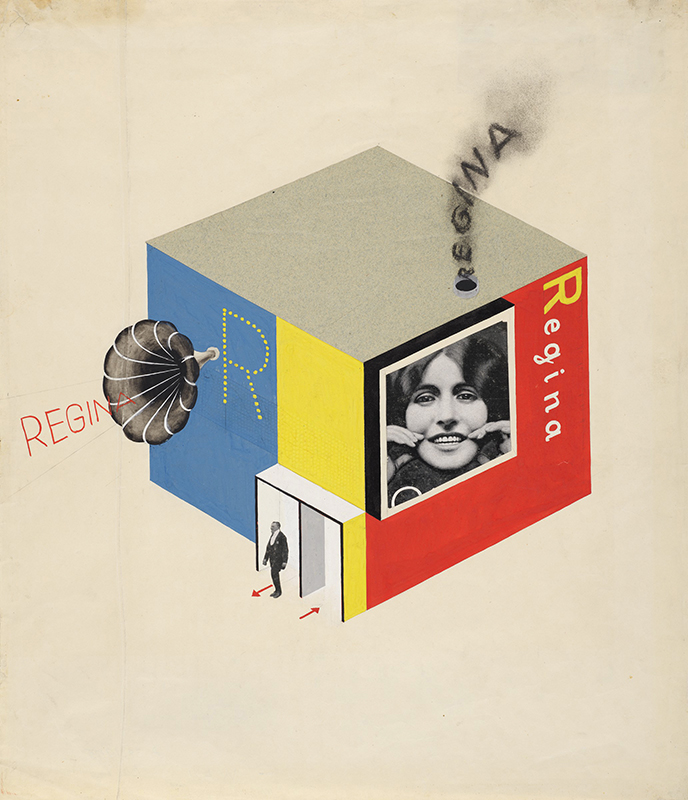
In his 1948 year-end report, Charles Kuhn—Harvard professor, curator of the university’s Germanic Museum (later called the Busch-Reisinger Museum), and recently discharged deputy chief of the soldiering art experts known as the Monuments Men—took the modest first step to establish an archive of Bauhaus materials.
When the Trump presidency ends, commentators will doubtless launch into a furious round of assessment. Among the motifs in this stock-taking, a humble article of clothing is sure to take on an outsize role: the red baseball hat, machine-embroidered with the legend “MAKE AMERICA GREAT AGAIN.”
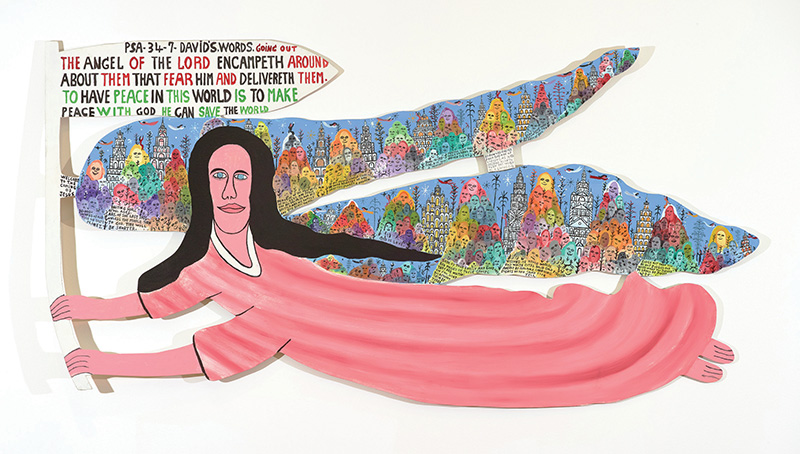
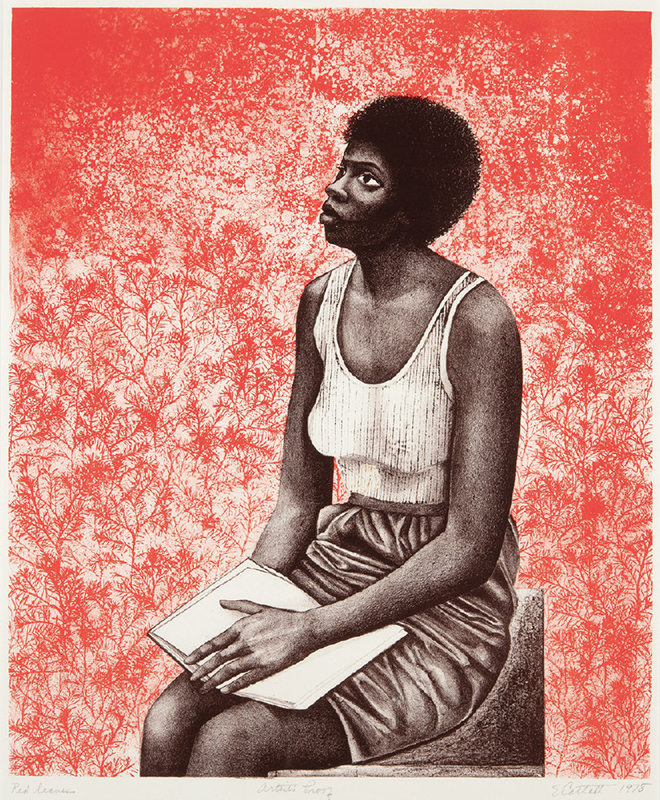
An exhibition at the High Museum of Art honors great self-taught artists of the American South
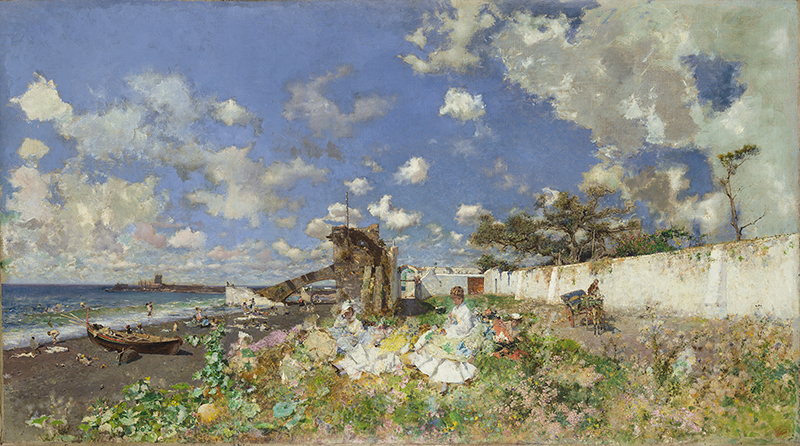
Though his fashion and textile designer son of the same name has more cachet today, the Spanish artist Mariano Fortuny was one of the most acclaimed and influential painters of the nineteenth century.
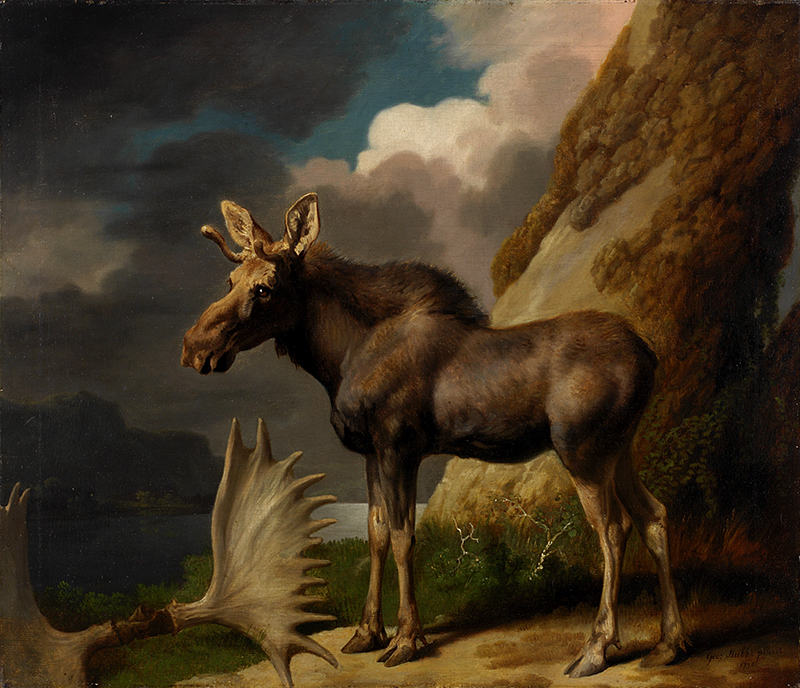
The Yale Center for British Art’s new show William Hunter and the Anatomy of the Modern Museum asks us to abandon borders. Not borders between countries and people, but the walls in the mind built by group-think and obsessive, constipating specialization.
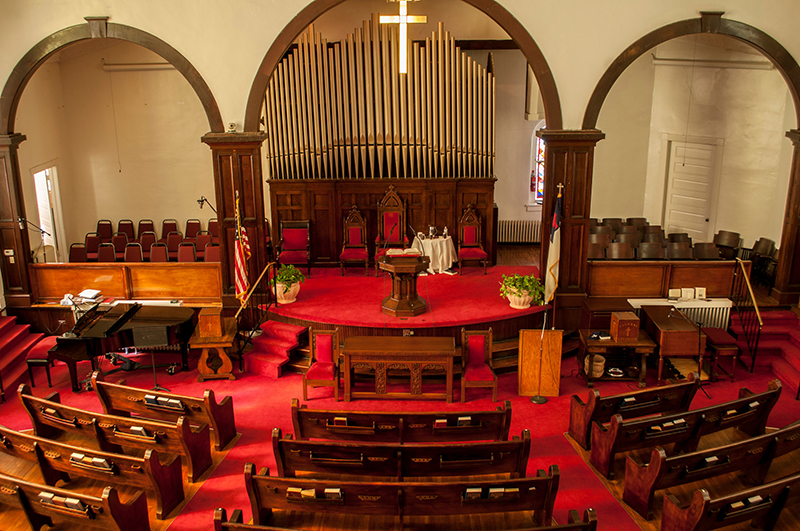
At about the midway point between Selma and Montgomery, in White Hall, Alabama, a one-story cottage—hardly more than a shack—squats on cinder blocks.
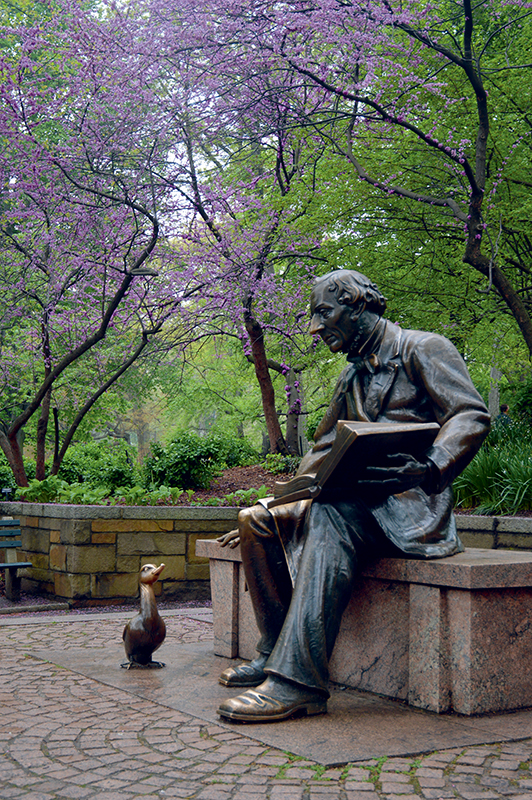
New York City’s Central Park was a prescient masterstroke of urban planning in the nineteenth century. Completed in 1874, the green space created by Frederick Law Olmsted and Calvert Vaux flowers on, vital in every sense, as a living work of art.
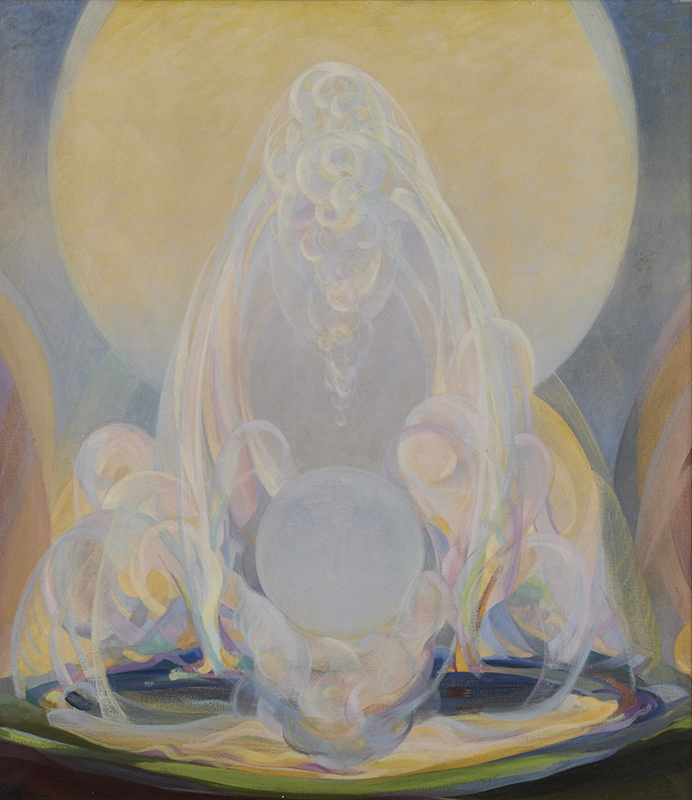
The painter Agnes Pelton took inspiration from esoteric philosophies and becomes another early twentieth-century woman abstractionist receiving her due.